



Aluminium Box

Founded in 2006, G-forms is China's leading supplier of aluminum products. We provide services that exceed customer expectations through core services and help customers unlock the potential of their products and brands to drive sales. CASE TOOLS was born with the simple objective of providing safe, reliable, and secure storage solutions to traders.





Our Advantages
Strictly Controlled Manufacturing Process
We have obtained ISO9001:2015 and BSCI certificates, and our strict quality control system guarantees the quality of our products. The one-year warranty for non-man-made damage solves users’ worries.
Reliable Product Quality
Our company has introduced a series of advanced equipment, including laser cutting machines, CNC plasma cutting machines, CNC bending machines, and other professional machines to accurately control product quality.
OEM/ODM Solution Available
We keep conducting market research, expanding our team, and improving our supply chain and services. Whether it is standard products or special product solutions: we will work with you to meet your diverse needs.
Strong Manufacturing Capabilities
Our company has its own factory of 140,000 square meters and about 150 skilled workers, which can achieve fast delivery. Strong production capabilities allow orders to be completed within 35 days.
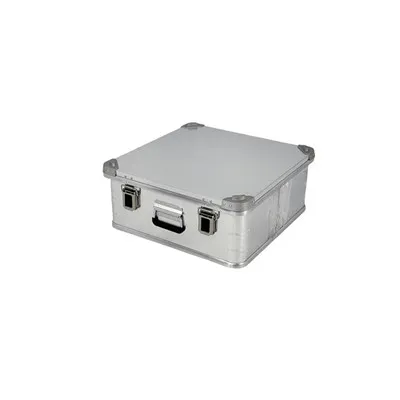
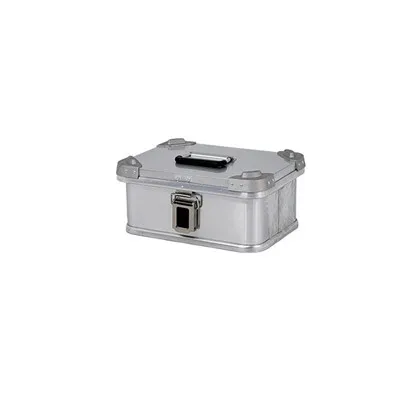
An aluminum box, also known as an aluminum storage box or aluminum toolbox, is a container made primarily from aluminum. It is designed to provide secure storage and protection for various items, tools, equipment, or valuables.

Advantages of Aluminium Box
One of the key benefits of choosing an aluminium case is that they are exceptionally lightweight, whilst remaining strong and rigid. Whilst that is only about a third of the density of steel, aluminium maintains a high strength-to-weight ratio. Being lightweight makes aluminium cases ideal if transportation costs (due to weight – e.g. on aircraft) is an important consideration, or indeed if heavy or bulky items are to be kept in the container. It also makes handling easier too.
Aluminium is vapour impermeable, ensuring that moisture cannot seep or diffuse through the surface of any cases manufactured from it. Besides this, and more generally, the welded construction of the majority of aluminium cases also means that they are resistant to water vapour. Cases of this type are often coupled with a foam (or similar) seal in the lid, also protecting against rain and being splashed. This makes aluminium cases a great choice for applications such as transporting sports training equipment (moisture cannot get in or out) and has seen them used extensively by sports teams.
A common misconception about aluminium cases is that they will rust if they come into contact with water. In fact, the surface of the aluminium will oxidise, with this layer of oxide actually protecting the case from any further damage or corrosion. As a result, aluminium trunks and containers are highly resistant to sea and saltwater, making them suitable for use in industries such as offshore oil and gas, military / naval applications, and for individuals when yachting, sailing, fishing or using in coastal environments.
Unlike moulded plastic cases, aluminium will not be affected in any way by prolonged exposure to UV rays. The material will not degrade in terms of colour, appearance or surface lustre if exposed to the sun over any time period (although other atmospheric elements, for example dust, may have some minor impact). This makes aluminium cases a great choice if they are to be used in hot climates.
Many people will underestimate the strength of aluminium (often due to its light weight). However, aluminium and the cases manufactured from it actually offer considerably better fracture toughness than the majority of other materials used for producing protective cases. Aluminium cases therefore are typically resistant to impacts, mechanical breakage, and fracturing. In effect, it means that the material will not easily stress, tear, or crack. Whilst aluminium cases will see their surfaces dented upon extreme impact, the force of this will be completely absorbed by the deformation caused. This obviously offers a good level of protection for any contents within the case, ensuring they are protected from such impact. As a result, aluminium cases are frequently used in industrial settings and construction projects to protect tools, equipment and heavy-duty components.
The properties of aluminium ensure that trunks / containers produced from it have the widest operational temperature range of any protective case available commercially today. The integrity or strength of the case will not be affected between -80 degrees C and 150 degrees C. This means that at low temperatures, aluminium cases will not become more fragile and brittle (as per plastic cases), but the tensile strength actually increases without loss of ductility. In contrast, the low coefficient of thermal expansion of aluminium material means that it is able to sustain higher temperatures without distortion. As a result, aluminium cases are not only used in hot climates but have also been used on polar expeditions to both the North and South poles (where their light weight has also been a key advantage).
Application of Aluminium Box

Electronics
Measuring Instruments
Network Devices
Maintenance Tips for Aluminium Box
Basic Cleaning of Your Aluminum Box
Basic cleaning of your aluminum tool box involves the following steps:
● Empty Your Tool Box: Remove all the tools and contents before you start cleaning your aluminum tool box. This will make it easier for you to clean all the surfaces of the tool box.
● Rinse with water: Rinse the tool box to remove loose dirt and debris. You can use a hose or a bucket of water for this step.
● Create a soapy solution: Mix a mild detergent with water to create a soapy solution. Use a detergent that is safe for use on aluminum surfaces.
● Apply the soapy solution: Apply the soapy solution to the tool box using a soft-bristled brush or sponge. Make sure to cover all the surfaces of the tool box.
● Scrub gently: Gently scrub the tool box with the brush or sponge to remove dirt and stains. Be careful not to use a too stiff brush, as this can scratch the surface of the aluminum.
● Rinse and dry: Rinse the tool box with clean water to remove the soapy residue. Then, dry the tool box with a soft cloth or towel.
Following these steps, you can effectively clean your aluminum tool box and keep it looking new.
Deep Cleaning of Your Aluminum Box
Deep cleaning your aluminum tool box involves the following steps:
● Empty your tool box: Remove all the tools and contents before deep cleaning your aluminum tool box.
● Mix an aluminum plate cleaner: Mix an aluminum plate cleaner according to the manufacturer’s instructions. Aluminum plate cleaners are designed to remove stains and discoloration from aluminum surfaces.
● Apply the cleaner: Apply the aluminum plate cleaner to a soft cloth and rub it onto the tool box in a circular motion. Be sure to cover all the surfaces of the tool box.
● Rinse and dry: Rinse the tool box with clean water to remove the cleaner residue. Then, dry the tool box with a soft cloth or towel.
● Apply a metal polish: Apply a metal polish to a soft cloth and rub it onto the tool box in a circular motion. Be sure to cover all the surfaces of the tool box.
● Buff the tool box: Wipe off any excess polish and buff the tool box with a clean cloth to achieve a glossy finish.
● Reorganize your tool box: After cleaning your aluminum tool box, reorganize your tools and contents before placing them back in the tool box.
Factors to Consider When Choosing a Aluminium Box
Size and Capacity
Determine the size and capacity requirements of the items you plan to store in the aluminum box. Consider the dimensions and volume needed to accommodate your belongings or equipment. Ensure that the box is spacious enough to hold everything securely without being too bulky or oversized for your intended use.
Material and Construction
Look for an aluminum box made from high-quality aluminum material that is lightweight yet durable. Consider the thickness and strength of the aluminum panels or sheets used in the construction. Additionally, check the quality of the hinges, latches, and handles to ensure they are sturdy and reliable.
Security Features
Consider the level of security you require for the items stored in the aluminum box. Look for boxes with secure locking mechanisms, such as padlock compatibility or integrated locks. Ensure that the box provides sufficient protection against theft or unauthorized access.
Waterproof and Weather Resistance
If you plan to use the aluminum box in outdoor or wet environments, consider its waterproof and weather resistance capabilities. Look for boxes with rubber seals or gaskets that provide a tight seal to keep out moisture, dust, and other environmental elements.
Portability
Evaluate the portability features of the aluminum box. Check for built-in handles, wheels, or the option to attach handles or casters for easy transportation. Consider the weight of the box, especially if you anticipate moving it frequently.
Organization and Customization Options
Consider your need for organization and customization within the aluminum box. Look for boxes that offer compartments, dividers, or adjustable shelves to help you organize and separate items effectively. Additionally, check if the box allows for the attachment of additional accessories or dividers to customize the interior according to your specific requirements.
Our Certificate
Multiple quality certifications, test reports and patent certificates reflect our strength and product reliability.


Our Factory
Professional modern factories can complete various specialized processing such as laser cutting, CNC bending, welding, assembling, powder coating, polish, etc.


Ultimate FAQ Guide to Aluminium Box
Q: Is aluminium a light metal for a box?
Q: Why is aluminium suitable for a container?
Q: Can Aluminum Box be recycled?
Q: What are the uses of aluminium boxes?
Q: Can aluminum boxes be used in the photography industry?
Q: What are the applications of aluminum boxes in the emergency response field?
Q: What is the use of aluminum boxes in the military field?
Q: What are tips for cleaning your aluminum boxes?
Tip #1 – Phosphoric Acid
To polish your aluminum box, start by watering the surface. Make sure it’s dry before you begin working on it. You will need phosphoric acid, nylon scrubbing pads, and metal polish, to polish your box. You might have to buy many nylon scrubbing pads depending on the size of the surface being polished because you should expect to go through quite a few of them. Wear latex gloves and protective eye wear when working with the phosphoric acid compound. Work the compound into the diamond shaped treads until the residue dries. It will appear white but that is totally normal because the metal polish will finish off the look. Spray with water and dry with towels before applying the metal polish. Wipe the polish with a soft cloth after application.
Tip #2 – Dish Soap
Grab a bucket and fill it with hot water. Mix your water with liquid dish washing soap that is known to fight grease. Stir the water until the soap and water blend. Wet your aluminum box with plain water. Use a soft, nylon bristle scrub brush and dip it into soapy water. Scrub the surface of your aluminum boxes to remove dirt on the surface. Rinse with water until all the soap is gone. Dry the plating with a microfiber rag or chamois cloth.
Tip #3 – Vinegar
Fill a spray bottle with white vinegar and spray your aluminum box. Don’t spray the whole surface; go section by section to make sure the white vinegar doesn’t dry. Dip a soft bristle nylon scrub brush into white vinegar and scrub the diamond-plated surface. You can even use a toothbrush to get into hard-to-reach areas. Apply a coat of wax for aluminum with a soft rag, let it dry and buff to a high shine.
Q: Can aluminum boxes be mounted in a vehicle or boat?
Q: How to avoid damaging aluminum box?
Q: What are the reasons to choose an aluminum tool box over steel?
Weight
Steel is about three times the weight of aluminum. This is why we have decided to build your semi-truck tool boxes using aluminum. Having a lighter tool box will benefit your truck in the longer run, reducing the effort your semi-truck, or your other type of vehicle, will put in carrying your tool box. You’ll also increase payload and you’ll definitely save money on gas using aluminum over steel.
Corrosion
Although steel tool box are often topped by a powder coated finish to protect it from corrosion, one chip or one gouge in the paint will invite corrosion right in. Your steel tool box could be rusted within a year. While steel needs to be painted or treated against corrosion, aluminum is corrosion resistant without any further treatment making it the number one choice for long-term use.
Cost
We all want the best equipment for our truck, but we certainly don’t want to overpay. The cost of aluminum and steel is consistently fluctuating taking into account many factors. Steel is usually slightly cheaper than aluminum, but don’t get fooled. When taking into accounts durability and the money you save because of weight, steel can’t beat aluminum’s price.
Q: Is the aluminum box easy to transport?
Q: What are the common uses for aluminum boxes?
Q: Are aluminum boxes durable?
Q: What are the raw materials of aluminum box?
Q: What is aluminum enclosure?
Q: Are aluminum boxes waterproof?
Q: Can aluminum boxes be locked?
Q: Can aluminum boxes be used for electronics storage?
Q: What is the basic structure of aluminum case?
The aluminum material also has thickness. The aluminum material is the skeleton of the case. The thickness not only determines the appearance of the case, but also maintains the stability of the cabinet when it is subjected to external impact. The aluminum material must be oxidized, because the aluminum material that has not been oxidized will naturally oxidize and become dull as long as it is placed for a period of time, which directly affects the appearance of the case.
Hardware
The structure of the hardware and the thickness of the materials directly affect the service life of the case. Galvanized hardware products have an ordinary appearance, but they can automatically release the decomposed protective layer, which has strong anti-damage ability, so as to achieve a good anti-rust effect.
Shockproof Layer
high-density (EVA glue) and pearl cotton pasted inside the box. The density, hardness and thickness of these two kinds of materials determine the protection and shockproof degree of the loaded items.